The High Cost of Diplomacy Is the US Paying a Price for Trump's Withdrawal from Iran Deal

The Iran nuclear deal, formally known as the Joint Comprehensive Plan of Action (JCPOA), was a landmark agreement aimed at curbing Iran’s nuclear ambitions in exchange for lifting economic sanctions. Signed in 2015 under the Obama administration, it represented a significant diplomatic achievement. Yet, in 2018, President Donald Trump abruptly withdrew the United States from the deal, calling it flawed and reimposing harsh sanctions on Iran. This decision has had far-reaching consequences, including a complex financial toll on the US government. This post explores the money the US has had to pay Iran, the fallout from the withdrawal, and the broader implications of this costly diplomatic reversal.
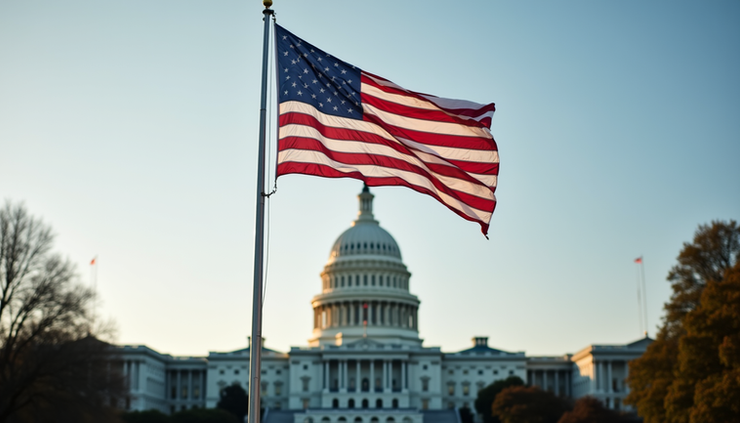
The Original Deal and Its Financial Foundations
The JCPOA was designed to prevent Iran from developing nuclear weapons by imposing strict limits on its nuclear program. In return, the US and other world powers agreed to lift crippling economic sanctions that had severely damaged Iran’s economy.
Despite this, critics of the deal argued that lifting sanctions would indirectly provide Iran with resources to fund activities the US opposed, such as support for militant groups in the Middle East. Supporters countered that the deal’s strict monitoring mechanisms would prevent misuse of funds.
Trump’s Withdrawal and the Reimposition of Sanctions
In May 2018, President Trump announced the US withdrawal from the JCPOA, citing concerns that the deal did not address Iran’s ballistic missile program or its regional influence. The US reimposed severe sanctions targeting Iran’s oil exports, banking, and shipping sectors.
This move was intended to pressure Iran into renegotiating a tougher deal. However, it also led to increased tensions, including military confrontations and Iran’s gradual rollback of its nuclear commitments.
The Financial Price the US Is Paying
While the US did not pay Iran directly as part of the JCPOA, the withdrawal has created significant financial consequences:
Frozen Iranian Funds and Legal Settlements
The US still holds billions of dollars in Iranian assets frozen under sanctions. Some of these funds have become the subject of legal disputes. For example, the US government has faced claims from victims of Iranian-backed terrorism seeking compensation from these frozen assets. In some cases, courts have ordered the US to pay damages to these victims using Iranian funds, complicating the financial picture.
Costs of Sanctions Enforcement
Enforcing sanctions requires extensive resources, including monitoring global financial transactions and penalizing companies that violate restrictions. These enforcement efforts cost the US government millions annually.
Economic Impact on US Allies and Global Markets
The sanctions have disrupted global oil markets, affecting prices and supply chains. US allies in Europe and Asia have expressed frustration, sometimes leading to diplomatic strains that indirectly affect US economic interests.
Military and Security Spending
Rising tensions with Iran have led to increased US military presence in the Middle East, which comes with a high price tag. The cost of deploying troops, maintaining bases, and preparing for potential conflict adds to the overall financial burden.
The Diplomatic Fallout and Lost Opportunities
Trump’s decision to tear up the JCPOA also damaged US credibility in international diplomacy. Allies who remained committed to the deal viewed the US withdrawal as unpredictable and unilateral. This has made it harder for the US to build coalitions on other global issues.
Iran, feeling betrayed, resumed some nuclear activities previously limited by the deal. This has increased the risk of nuclear proliferation and instability in the region, which could lead to even greater costs down the line.
What Could Have Been Done Differently?
Some experts argue that instead of abandoning the deal, the US could have worked with allies to address its shortcomings through diplomatic channels. This might have preserved the financial and security benefits of the JCPOA while tightening restrictions on Iran’s missile program and regional activities.
Others suggest that a more measured approach to sanctions, combined with dialogue, could have avoided the economic fallout and reduced the risk of military escalation.
The Path Forward
The US faces a complex challenge in balancing pressure on Iran with the need for stability and security. Recent talks have hinted at the possibility of re-engagement with Iran, but trust must be rebuilt.
Understanding the financial and diplomatic costs of the withdrawal highlights the importance of careful, consistent foreign policy decisions. The money spent on sanctions enforcement, legal battles, and military readiness could potentially be redirected toward more constructive engagement.



I think topics like this are best discussed by looking at different views and checking reliable facts before making a final opinion. During a busy semester, I even used help with assignment uk while trying to understand complex political events and compare different sources. It reminded me that big decisions often have long lasting effects, so staying informed and open to discussion is always the better approach. Nice post, its makes me smile
I found this article interesting because it explains how one political decision can affect international relationships, diplomacy, and global stability. While studying international politics during a busy semester, I relied on assignment help uk to manage my coursework and keep up with several deadlines at the same time. It gave me more time to understand complex topics like foreign policy instead of rushing through them. The article is a good reminder that decisions made at the highest level can have lasting effects across the world.
전문성과 친절함을 동시에 안산출장마사지 느낄 수 있는 서비스였습니다. 서비스를 통해 피로 회복과 편안한 휴식을 함께 경험할 수 있어 만족스러웠습니다.